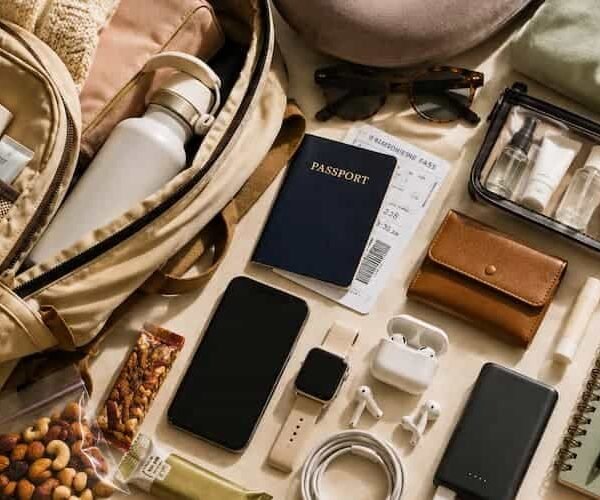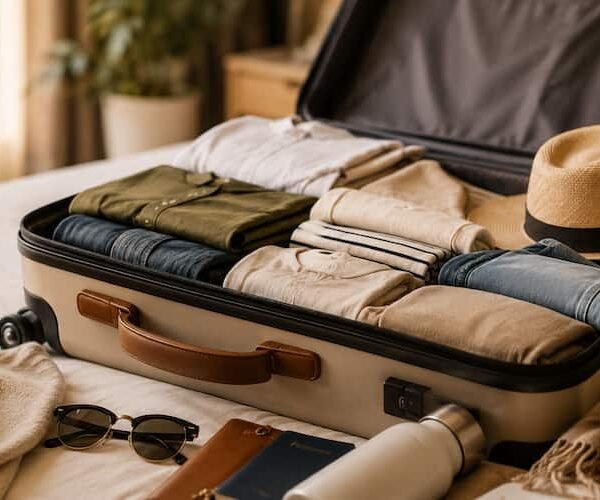
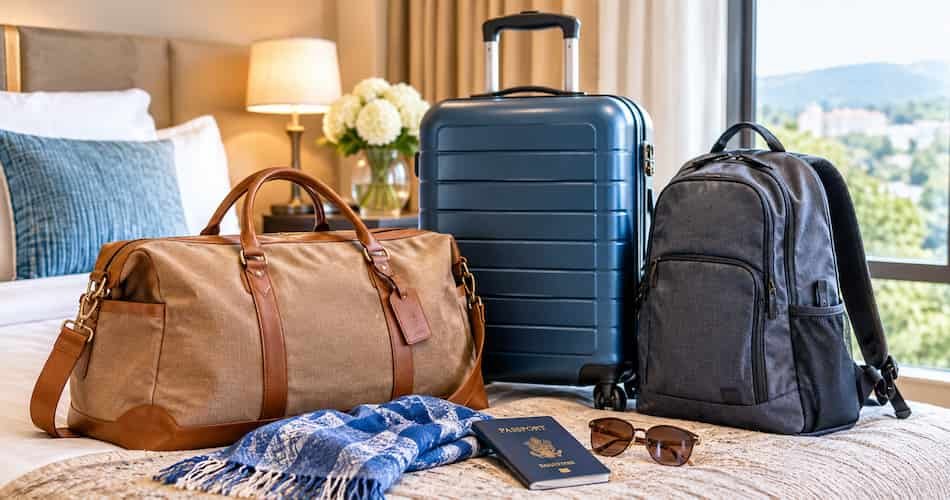
The right travel bag can make a journey considerably easier, whether you are heading out for a quick weekend getaway, planning a two-week holiday, or catching an international flight. However, choosing the best travel bag is not just about appearance or storage capacity. The ideal option depends on your trip duration, transportation, packing habits, and the kind of convenience you need along the way. A compact weekender may work perfectly for a short escape, while a lightweight suitcase or spacious travel backpack makes more sense for longer journeys. Understanding these differences can help you choose a travel bag that keeps your belongings organised without making every journey feel like a packing challenge. If you are exploring luggage options, check guide to smart luggage buying tips is also worth reading.
At a Glance: Which Travel Bag Should You Choose?
The best bag depends on where you are going, how long you are staying, and how you plan to travel.
| Type of Trip | Best Travel Bag | Why It Works |
| Weekend getaway | Weekender or duffel bag | Compact and easy to carry |
| Short domestic trip | Cabin suitcase | Convenient for a few days away |
| Long holiday | Medium or large suitcase | Offers more packing space |
| International travel | Lightweight expandable suitcase | Practical for longer journeys |
| Business trip | Laptop backpack or cabin luggage | Keeps work essentials organised |
| Adventure trip | Travel backpack | Easier to carry across different terrain |
| Road trip | Soft-sided duffel or travel bag | Flexible storage and easy access |
1. Best Travel Bag for Weekend Getaways
Weekend trips usually require fewer clothes, toiletries, and personal essentials, making a bulky suitcase unnecessary. A weekender bag or duffel bag is often a practical choice for two or three days away.
Look for these features:
- A spacious main compartment for clothes and footwear.
- Separate pockets for toiletries and smaller essentials.
- Comfortable shoulder straps or sturdy handles.
- Lightweight construction that is easy to lift and carry.
- A trolley sleeve if you want to attach it to suitcase handles.
A structured weekender bag works particularly well for hotel stays and short city breaks. Duffel bags are another useful option if you prefer flexible storage.
If you are comparing different luggage styles, check this guide to smart luggage travel bags offers another perspective on modern travel bag features.
2. Best Travel Bag for Short Domestic Trips
For a three-to-five-day domestic trip, a carry-on suitcase can offer the right balance between storage space and convenience. It gives you enough room for a few outfits, footwear, and toiletries without requiring a large checked bag.
Consider the following features:
- Four smooth-rolling spinner wheels for easy movement.
- A sturdy telescopic handle.
- Separate compartments for organised packing.
- Lightweight construction.
- A secure locking mechanism.
A hard-shell cabin suitcase is useful when you want more protection for packed belongings. A soft-sided option may provide additional flexibility and external pockets.
Before purchasing, check the cabin baggage dimensions and weight restrictions of your airline. These can differ between carriers and ticket types.
You can also prepare a separate essentials pouch using ideas from the airport bag essentials guide to keep things light yet have the necessary stuff with you. .
3. Best Travel Bag for Long Holidays
A week-long holiday or longer vacation usually requires more clothing, footwear and personal belongings. In this situation, a medium or large checked suitcase offers more practical storage than a compact carry-on.
When choosing luggage for an extended trip, consider:
- Expandable compartments for additional packing space.
- Compression straps to keep clothes organised.
- Durable wheels and reinforced corners.
- A sturdy handle that feels comfortable when pulling the suitcase.
- Internal dividers to separate clean clothes and accessories.
A medium suitcase is often sufficient for a week-long holiday, depending on your packing habits. Large luggage makes more sense for longer stays, colder destinations, or trips requiring additional clothing.
Avoid choosing the biggest suitcase simply because it offers more room. Extra space can encourage overpacking and make luggage heavier and harder to manage.
4. Best Travel Bag for International Travel
International journeys often involve airport transfers, security checks, connecting flights, and longer periods of moving between locations. Your luggage should make these transitions easier, especially when travelling alone for a peaceful retreat or an extended getaway.
A lightweight travel suitcase with good manoeuvrability is a sensible option for most international holidays. If you’re planning a solo wellness escape, packing the right solo retreat essentials can also make your journey more comfortable and organised.
Prioritise these features:
-
Lightweight yet durable material.
-
Smooth spinner wheels for airport navigation.
-
Expandable storage when permitted by airline weight limits.
-
Secure zippers and a reliable lock.
-
Separate compartments for documents and travel accessories.
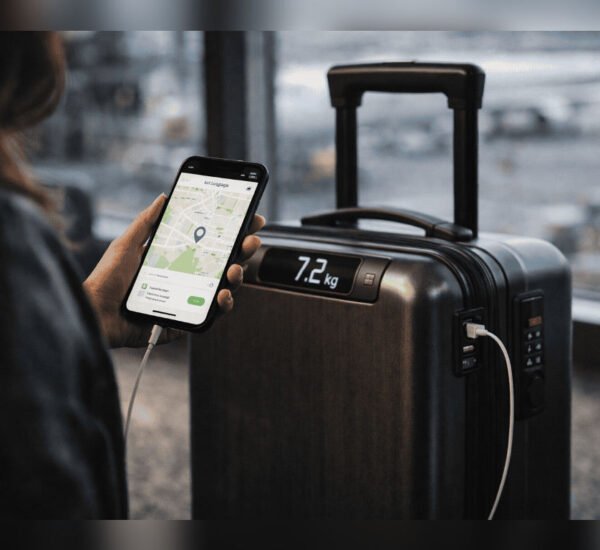
If you travel internationally frequently, smart luggage features such as built-in tracking compatibility, digital locks, and removable battery systems may also be worth considering.
However, check airline regulations before purchasing a suitcase with an integrated power bank. Some airlines restrict lithium batteries in checked luggage.
5. Best Travel Bag for Business Trips
Business travel calls for luggage that keeps work essentials accessible while leaving enough room for clothing and personal belongings.
A laptop backpack or compact cabin suitcase is a practical choice, depending on the length of your trip.
For a one-day business visit, a professional backpack may be sufficient. For a two-to-four-day work trip, a cabin suitcase paired with a laptop bag offers more flexibility.
Look for:
- A padded laptop compartment.
- Organised pockets for chargers, cables and documents.
- A separate section for personal belongings.
- Comfortable shoulder straps.
- A trolley sleeve for attaching the backpack to your suitcase.
Choose a bag with a structured design that protects electronic devices and keeps important documents easy to access.
6. Best Travel Bag for Adventure Trips
Adventure travel often involves changing locations, uneven paths, and outdoor activities. A traditional suitcase with wheels may not be convenient in these situations.
A travel backpack offers better mobility when you need to carry your belongings over different surfaces or move between accommodation options.
Important features include:
- Adjustable padded shoulder straps.
- A supportive back panel.
- Multiple compartments for organised packing.
- Water-resistant fabric or a rain cover.
- Hip and chest straps for better weight distribution.
- Easy-access pockets for frequently used items.
For a short adventure trip, a compact backpack may be enough. Longer journeys may require a larger capacity, depending on your clothing, equipment, and accommodation arrangements.
Remember that a comfortable backpack should distribute weight evenly rather than placing unnecessary pressure on your shoulders.
7. Best Travel Bag for Road Trips
Road trips offer more flexibility when it comes to luggage because you do not have to carry everything through airports or railway stations. However, your bags still need to fit comfortably inside the vehicle and remain easy to access.
A soft-sided travel bag, duffel, or medium-sized suitcase can work well for car journeys.
Consider these features:
- Flexible construction that fits into different luggage spaces.
- Separate compartments for clothes and footwear.
- Easy-to-carry handles.
- Durable material that can withstand regular handling.
- Smaller organisers for snacks, toiletries, and travel accessories.
If you are travelling with family, consider using individual bags rather than packing everyone’s belongings into one oversized suitcase. This makes it easier to find what you need without unpacking everything during a stop.
What to Consider Before Buying the Best Travel Bag
Choosing luggage based only on appearance can lead to unnecessary spending. Before investing in a new travel bag, compare these practical features.
1. Size and Storage Capacity
The ideal size depends on your trip duration and packing requirements. A small weekender works for short escapes, while longer holidays may require checked luggage.
Think about the number of outfits, footwear, and personal essentials you need to carry rather than automatically choosing a larger bag.
2. Weight
An empty suitcase can already account for a considerable portion of your airline baggage allowance.
Choose lightweight travel luggage that offers sufficient durability without adding unnecessary weight. This becomes particularly important when travelling by air or frequently changing transport.
3. Material and Durability
Travel bags are available in different materials, each with its own advantages.
| Material | Main Advantage | Best For |
| Polycarbonate | Lightweight and impact-resistant | Hard-shell suitcases |
| ABS | Generally affordable and lightweight | Occasional travel |
| Nylon | Flexible and durable | Backpacks and soft luggage |
| Polyester | Lightweight and budget-friendly | Duffel bags and casual luggage |
| Canvas | Casual appearance and flexibility | Weekender bags |
Your choice should depend on how frequently you travel and the kind of handling your luggage is likely to experience.
4. Wheels and Handles
For wheeled luggage, check the quality of the wheels and telescopic handle before purchasing.
- Four-wheel spinner suitcases offer convenient movement in airports and hotel corridors.
- Two-wheel suitcases can be useful on uneven surfaces.
- Reinforced handles are important for lifting luggage.
- Smooth telescopic handles make pulling a suitcase more comfortable.
5. Compartments and Organisation
A well-organised bag can save time when you need to find something during a journey.
Look for separate sections for:
- Clothing and footwear.
- Toiletries and cosmetics.
- Electronics and chargers.
- Travel documents.
- Dirty laundry.
You can also use packing cubes to divide clothing into categories and make better use of available space.
6. Security Features
Look for lockable zippers, durable closures, and reliable locking systems.
A TSA-approved lock can be useful when travelling to destinations where airport security may need to inspect checked luggage. However, no lock makes a bag completely theft-proof, so keep valuables and important documents with you.
Travel Backpack vs Suitcase: Which Is Better?
Both options have advantages, but the right choice depends on your itinerary and how much luggage you need.
| Feature | Travel Backpack | Suitcase |
| Mobility | Easy to carry | Best on smooth surfaces |
| Storage | Flexible compartments | Structured storage |
| Accessibility | Depends on opening design | Usually easy to organise |
| Best for | Adventure and multi-stop trips | Hotels and conventional holidays |
| Weight distribution | Requires comfortable fitting | Weight supported by wheels |
| Protection | Depends on padding and material | Hard-shell options offer added protection |
Choose a travel backpack if you expect to walk frequently, change accommodation or navigate uneven surfaces.
Choose a suitcase if you prefer organised packing, have more belongings or will mainly travel between airports, hotels and vehicles.
If you need both options, a small backpack paired with a wheeled suitcase can offer a useful combination.
Common Mistakes to Avoid When Buying a Travel Bag
Even an attractive and expensive suitcase may not be the right purchase if it does not suit your travel habits.
Avoid these common mistakes:
- Buying oversized luggage: Extra capacity can encourage unnecessary packing and make your bag difficult to handle.
- Ignoring empty weight: A heavy suitcase leaves less room within airline baggage limits.
- Choosing appearance over functionality: Attractive designs are useful only when the bag also meets your practical needs.
- Overlooking wheel quality: Poor-quality wheels can make airport navigation frustrating.
- Ignoring airline restrictions: Cabin baggage dimensions and weight allowances vary between airlines.
- Buying unnecessary smart features: Pay for technology only when it offers genuine convenience for your travel routine.
A little research before purchasing can help you avoid replacing luggage after just a few trips.
Conclusion
Choosing the best travel bag starts with understanding your journey rather than buying the biggest or most attractive suitcase available. A compact weekender is ideal for short escapes, a cabin suitcase works well for domestic holidays, and larger luggage offers more flexibility for extended international trips. Consider your transportation, packing habits, storage requirements, and comfort before making a purchase. The right travel bag should keep your belongings organised, make moving between destinations easier, and give you one less thing to worry about while enjoying your journey.
FAQs
1. What is the best travel bag for all types of trips?
A lightweight, medium-sized suitcase is a versatile option for many holidays. However, a weekender or backpack may be more practical for shorter trips and adventure travel.
2. Is a backpack better than a suitcase for travelling?
A backpack is better for trips involving frequent walking and multiple destinations, while a suitcase offers more organised storage and convenience on smooth surfaces.
3. What size travel bag is best for a week-long trip?
A medium-sized suitcase is usually suitable for a week-long holiday. Your destination, clothing requirements, and packing habits will determine the ideal size.
4. Should I buy hard-shell or soft-sided luggage?
Hard-shell luggage offers better protection against impacts, while soft-sided bags provide flexibility and often include additional external pockets. Choose according to your travel needs.
5. What features should I look for when buying a travel bag?
Prioritise lightweight construction, durable material, comfortable handles, smooth wheels, organised compartments and reliable security features.